

Risk rarely arrives with a warning label, especially in student housing. In fact, most risk exposure does not stem from fraud or intentional misuse. It comes from people doing their best in complex, high-pressure environments. It often manifests when a property management team moves too quickly, a parent acts with the best intentions, or a first-time renter struggles to navigate new financial responsibilities.
Good intentions do not eliminate risk. The gap between intent and outcome matters more than most realize. This is especially true for student housing teams where speed, volume, and empathy collide daily.
The Myth of the “Bad Actor”
Conversations about risk typically follow a single narrative: someone did something wrong. We assume a resident was dishonest, a guarantor was unreliable, or a policy was ignored.
In reality, leasing risk is largely situational. Student housing operates under unique pressures compared to traditional multifamily properties. These include compressed leasing cycles and rapid shifts in demand. Residents are often younger with little to no credit history. While their parents are usually well-meaning, many struggle to provide full financial support in a volatile economy.
On-site teams are not cutting corners. They are solving problems in real time. By balancing occupancy, fairness, and empathy, they keep leases moving during peak seasons. Yet, this is precisely where risk exposure quietly begins. This exposure comes with a high price. According to the Zego 2025 Resident Experience Management Report, the average cost of resident turnover has reached nearly $4,000 per home or $50 per vacant day. That is a steep consequence for a good-faith mistake.
Good-Faith Decisions that Still Create Risk
Exposure rarely comes from one dramatic mistake. It builds through small, understandable choices.
An application is approved because the student seems solid and the parent feels reliable. A guarantor is accepted despite incomplete documentation. An exception is made late in the cycle to avoid losing a critical lease. Verbal assurances replace formal safeguards. Policies bend because the situation feels unique.
None of these decisions are reckless. They are human. But when circumstances change, those decisions become liabilities. According to recent data from Snappt’s 2025 Fraud Report, approximately 1 in 8 rental applications now contain altered or misrepresented documentation. When we rely on gut feelings over verified data, we are not just being empathetic. We are unknowingly inviting that 12.5% risk into the portfolio.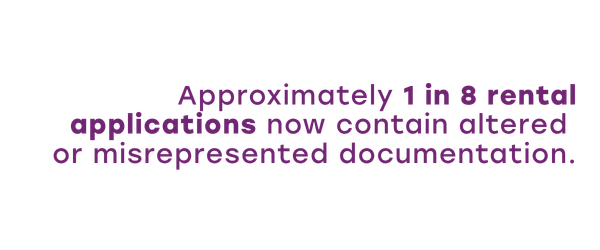
How Leap Closes the Gap
Leap was built for this exact reality. We do not force property management teams to choose between access and protection. We provide the framework that allows both to coexist. We replace the gray areas of subjective approvals with clear, consistent options.
Through our Guarantor Waiver Program and Agile Rent Guaranty, Leap empowers properties to say yes safely. This shifts the burden of risk away from individual on-site decisions and into a structured, transparent system.
The impact is tangible. In soft markets, Leap partners see 7% to 10% higher occupancy rates than their competitors. For example, The Dinerstein Companies generated $2.75M in new lease revenue simply by integrating Leap to eliminate traditional deposit barriers.
The Smart Layer: Managing Coverage Eligibility
Leap adds a critical layer of protection by actively managing coverage eligibility. If a prospective resident attempts to sign multiple leases across different properties or has previously defaulted on a Leap policy, the coverage is canceled. This prevents operators from operating under a false sense of security.
It ensures every active policy is valid, enforceable, and aligned with actual risk. Instead of discovering a conflict after a default occurs, these issues are identified at the source.
It reduces downstream loss.
It limits duplicate exposure across portfolios.
It reinforces consistent standards across communities.
This level of scrutiny is more necessary than ever. According to TransUnion’s 2025 State of Omnichannel Fraud Report, identity-related fraud in the rental sector has surged by 20% year over year. This often involves double-leasing schemes that traditional checks miss altogether.
Protecting the Yes
Leasing success in student housing depends on speed, empathy, and flexibility. The properties that thrive are those that can say yes without hesitation and without regret.
Leap exists to protect that yes. By backing good-faith leasing with structural protection, Leap helps student housing teams lease confidently, consistently, and responsibly. In this industry, the most common risk is not bad behavior, but unprotected good behavior.
